Slavery is often spoken about as something from the past. Yet exploitation can exist behind everyday services, from nail salons and cleaning jobs to construction sites.
For World Day Against Trafficking in Persons in July 2018, One Family asked us to help bring that hidden reality into view. The challenge was to interrupt an ordinary day, make a difficult subject feel close to home, and give people a useful way to respond. We created #HumanToo: a campaign that brought the human cost of exploitation onto London’s streets.
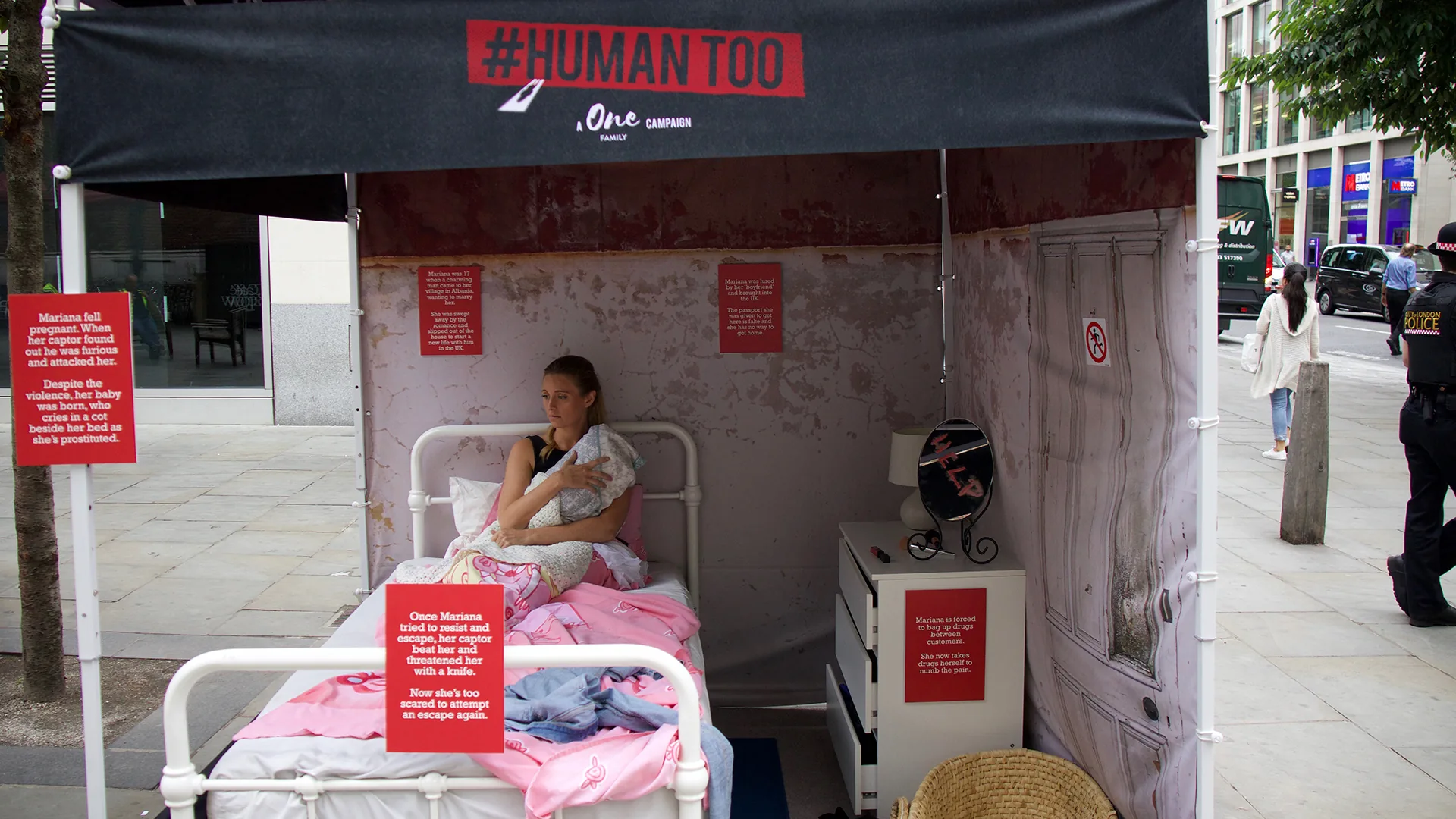
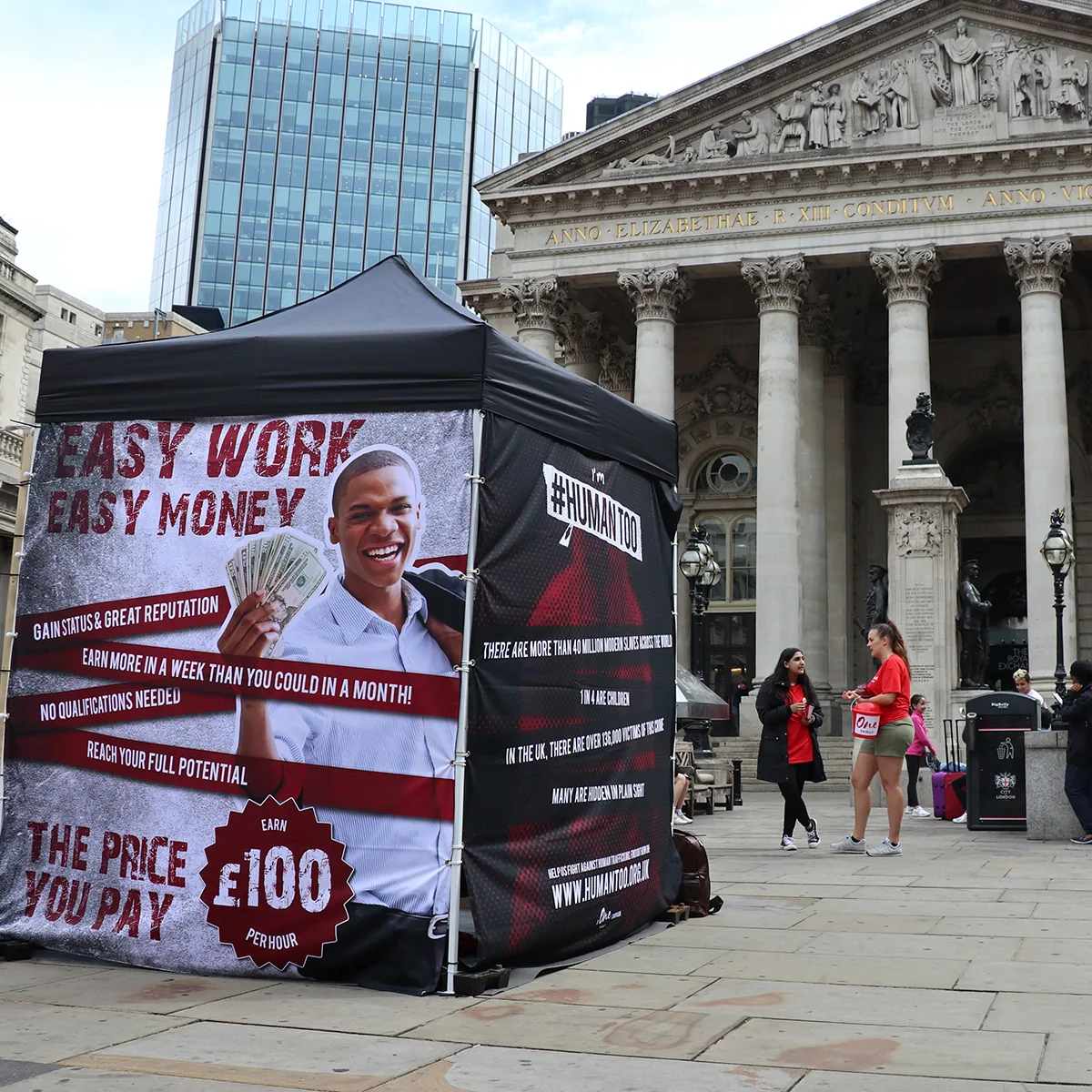
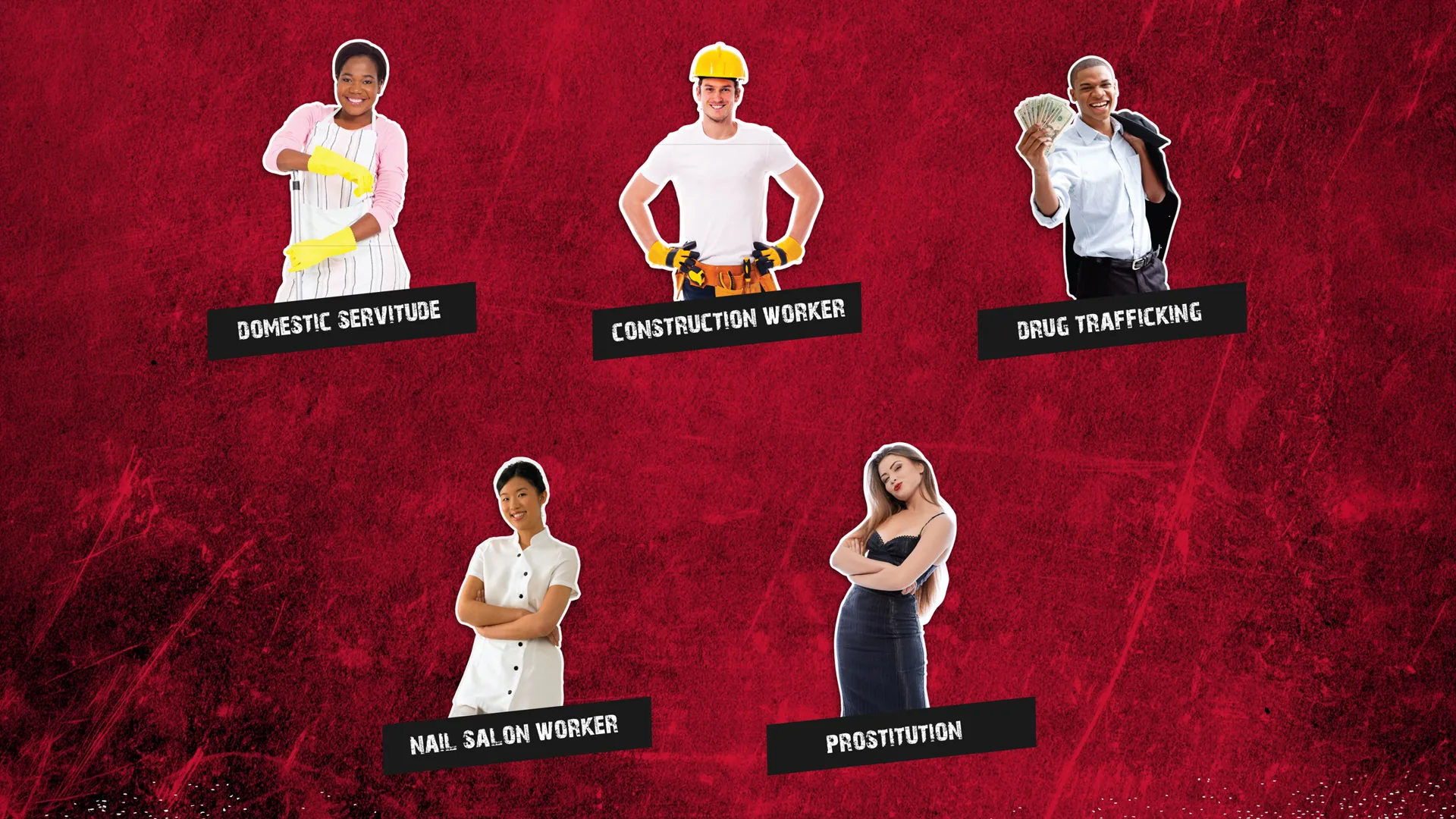
A cheap manicure. Low-cost building work. An offer of easy money. We used familiar promises to draw people towards scenes that revealed a very different reality.
Outside, each installation advertised “the price you pay”. Inside, actors portrayed “the price they pay”: the loss of freedom, dignity, family, health and hope. Five stories explored domestic servitude, forced construction work, criminal exploitation, nail salon exploitation and sexual exploitation.
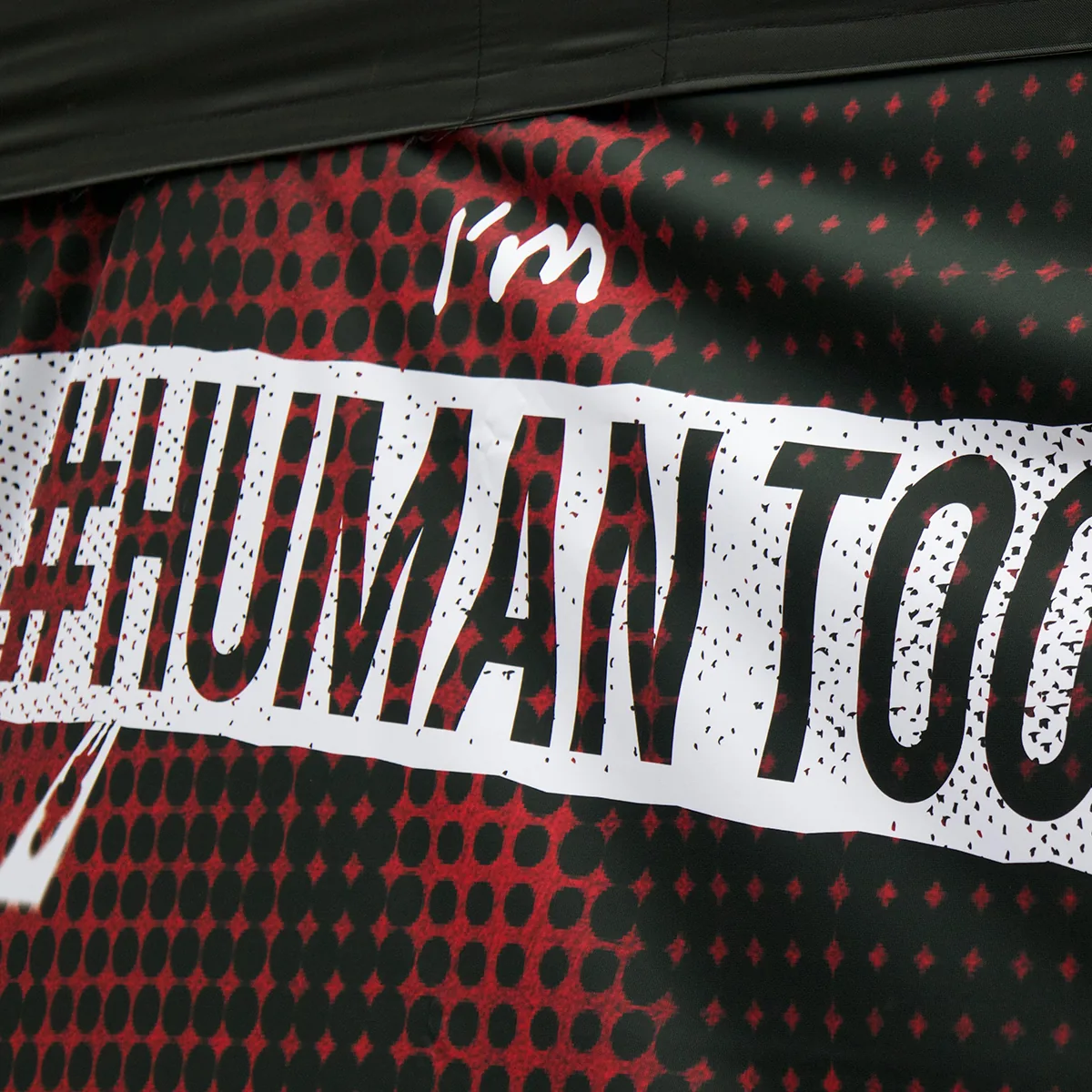
The contrast gave the campaign its central idea. Bold red, black and white graphics caught attention, while the stories behind them asked people to look again at what an everyday bargain might conceal.
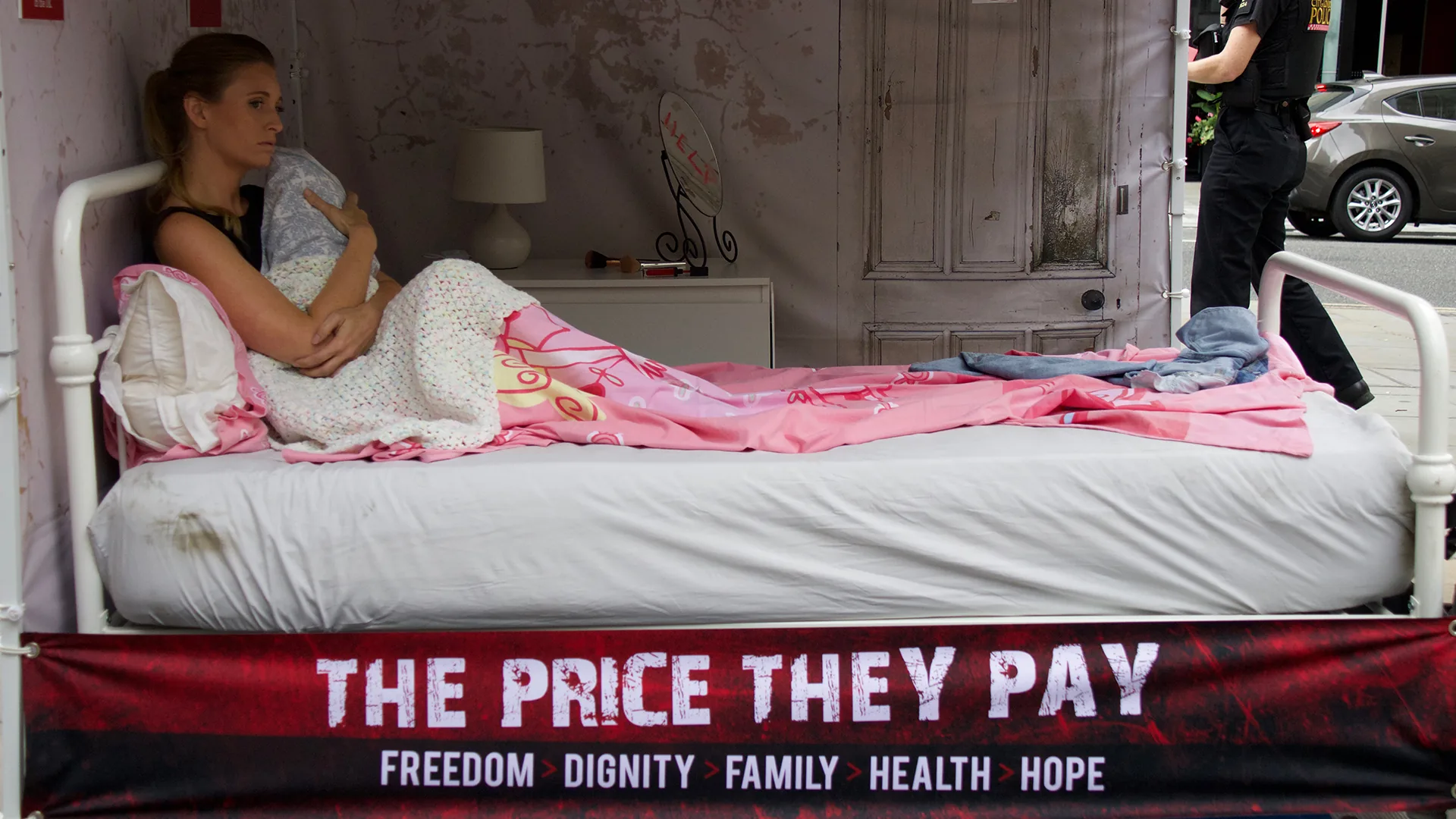
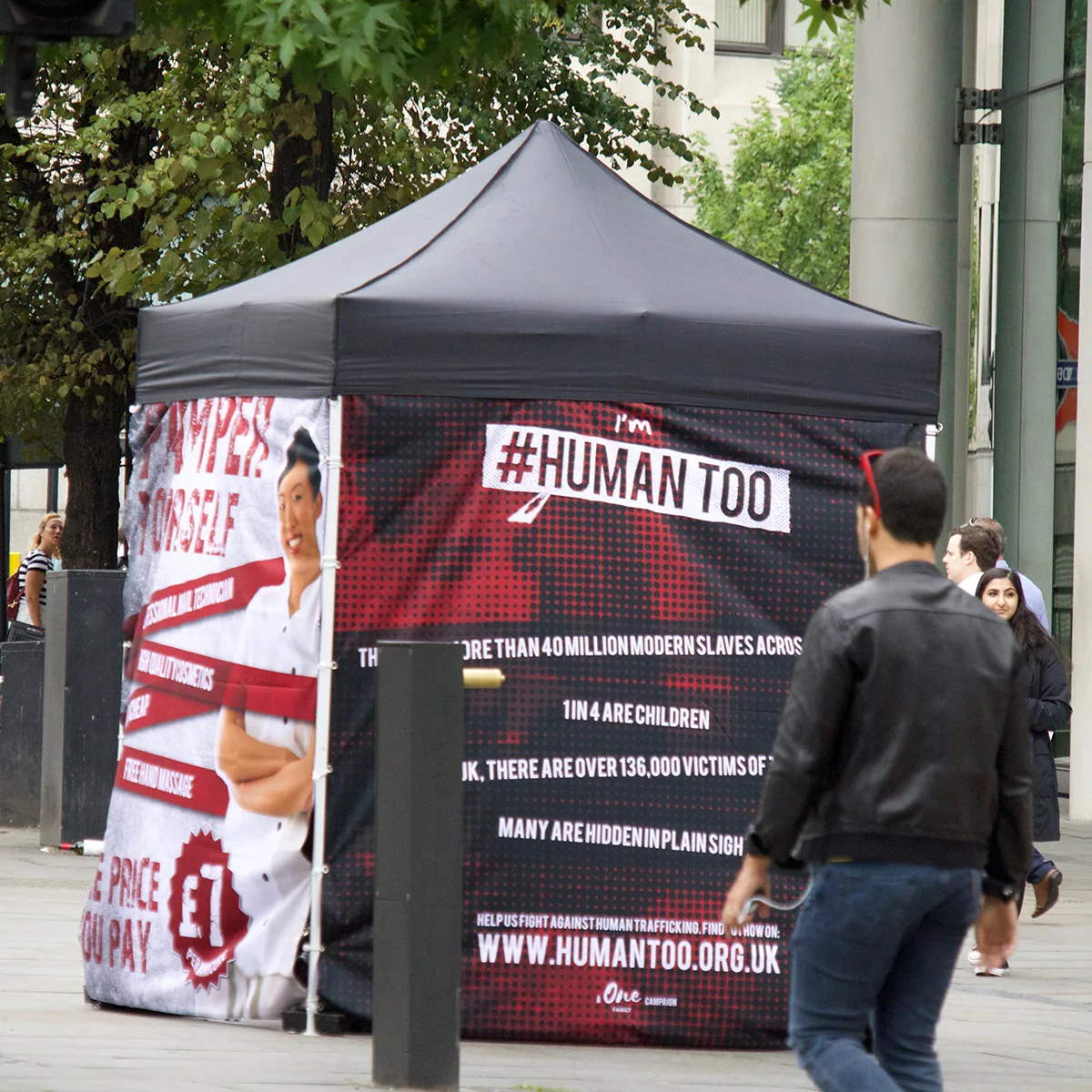
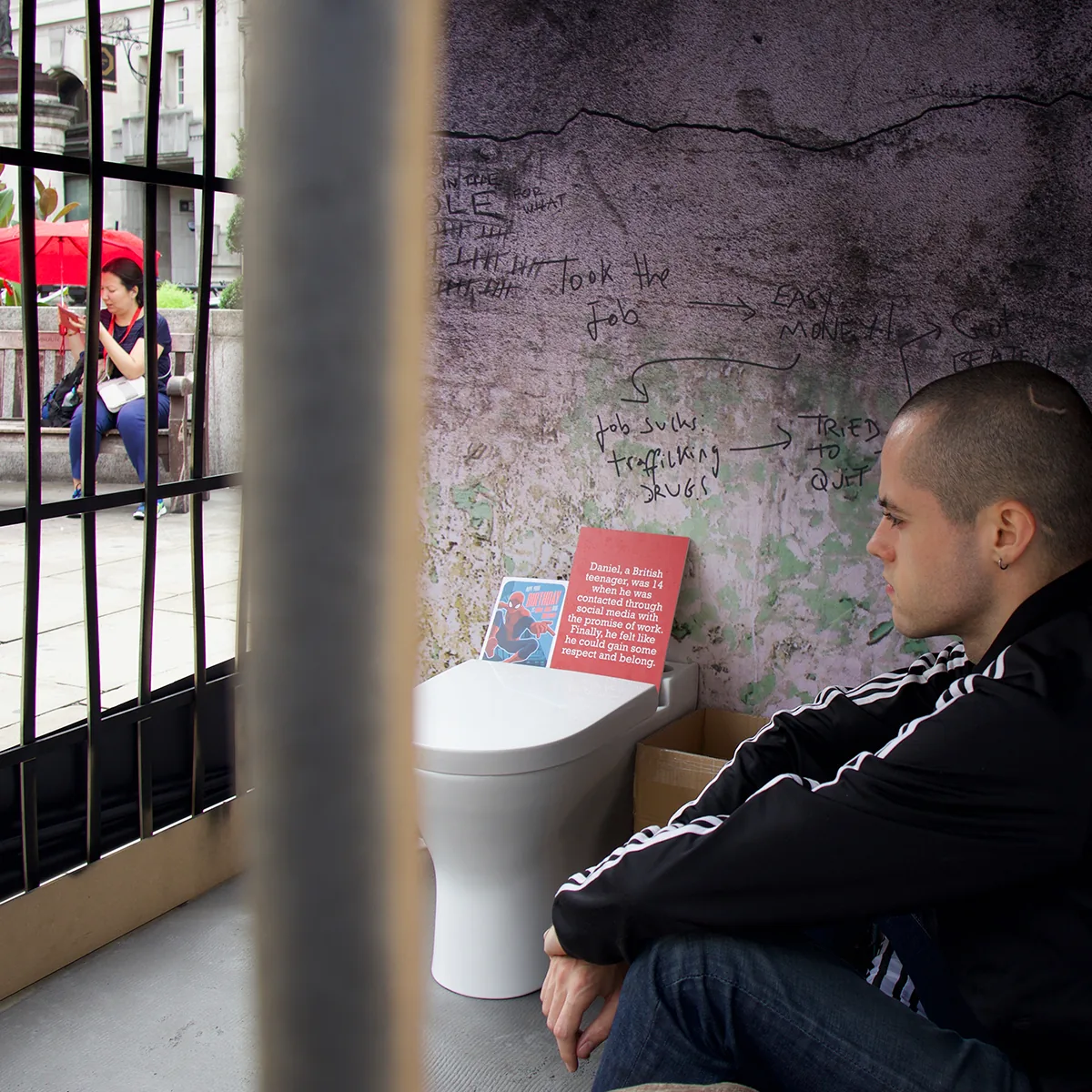
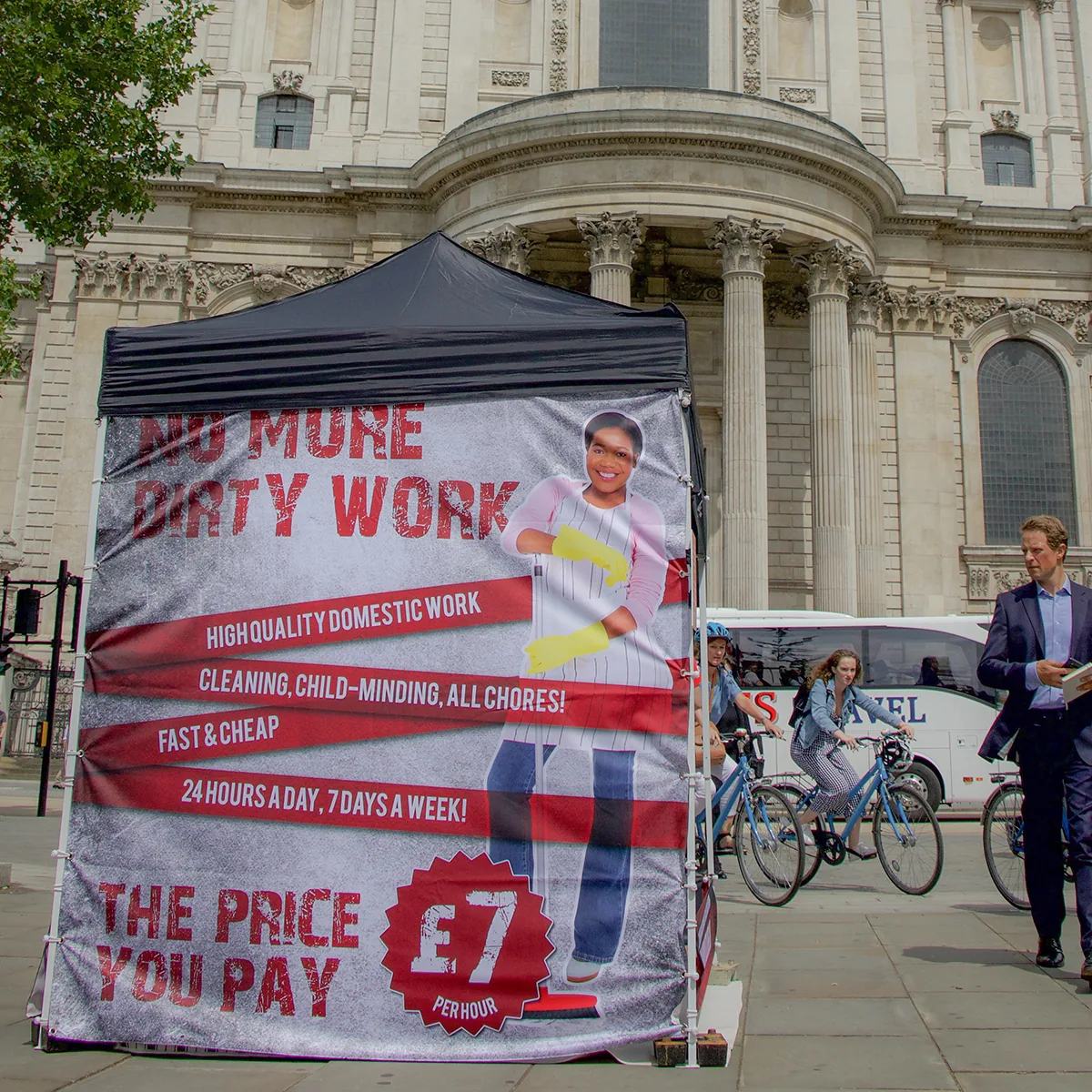
We translated the idea into five compact installations across the City of London: St Paul’s, One New Change, Royal Exchange, Moorgate Station and Bow Church Yard.
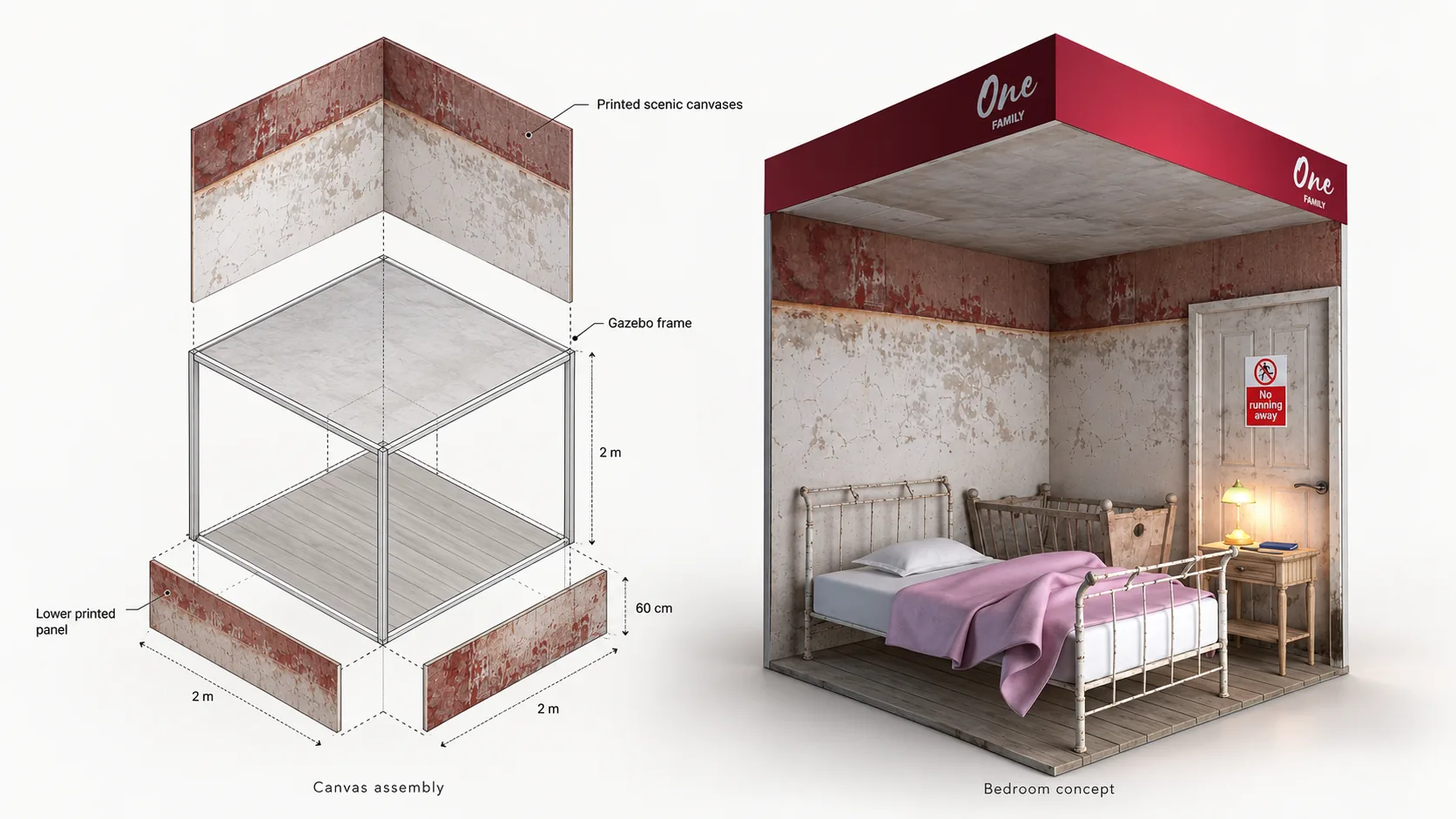
Each two-metre structure became a small stage. Printed scenery, props, signage and live performance recreated the settings in which exploitation can remain concealed, from a construction site to a locked bedroom. Story panels connected each scene to the person portrayed.
Our work covered the concept, spatial layouts, scenic graphics and supporting displays. Together, these elements brought a complex issue into public space, giving passers-by a reason to pause, ask questions and engage.

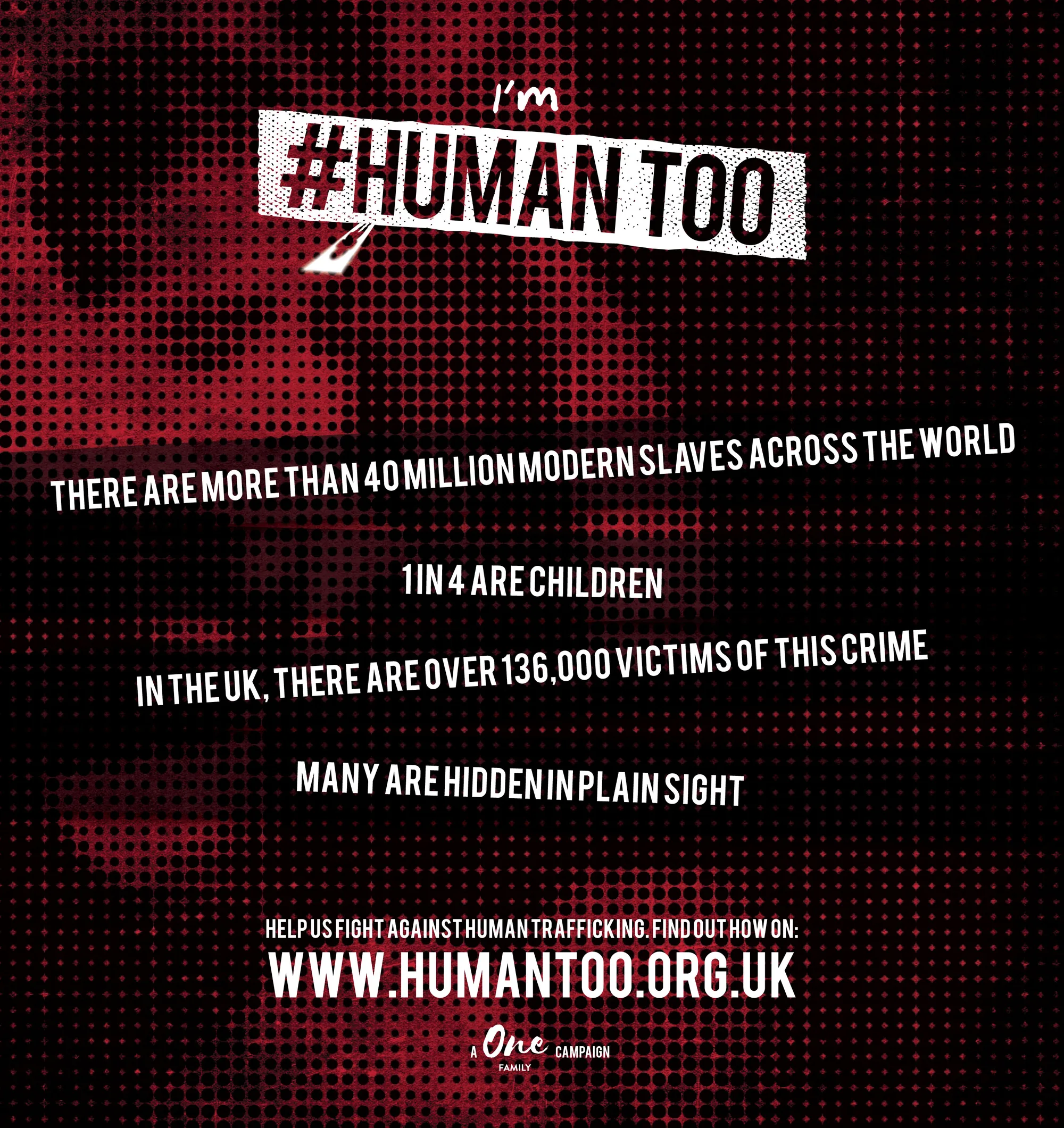
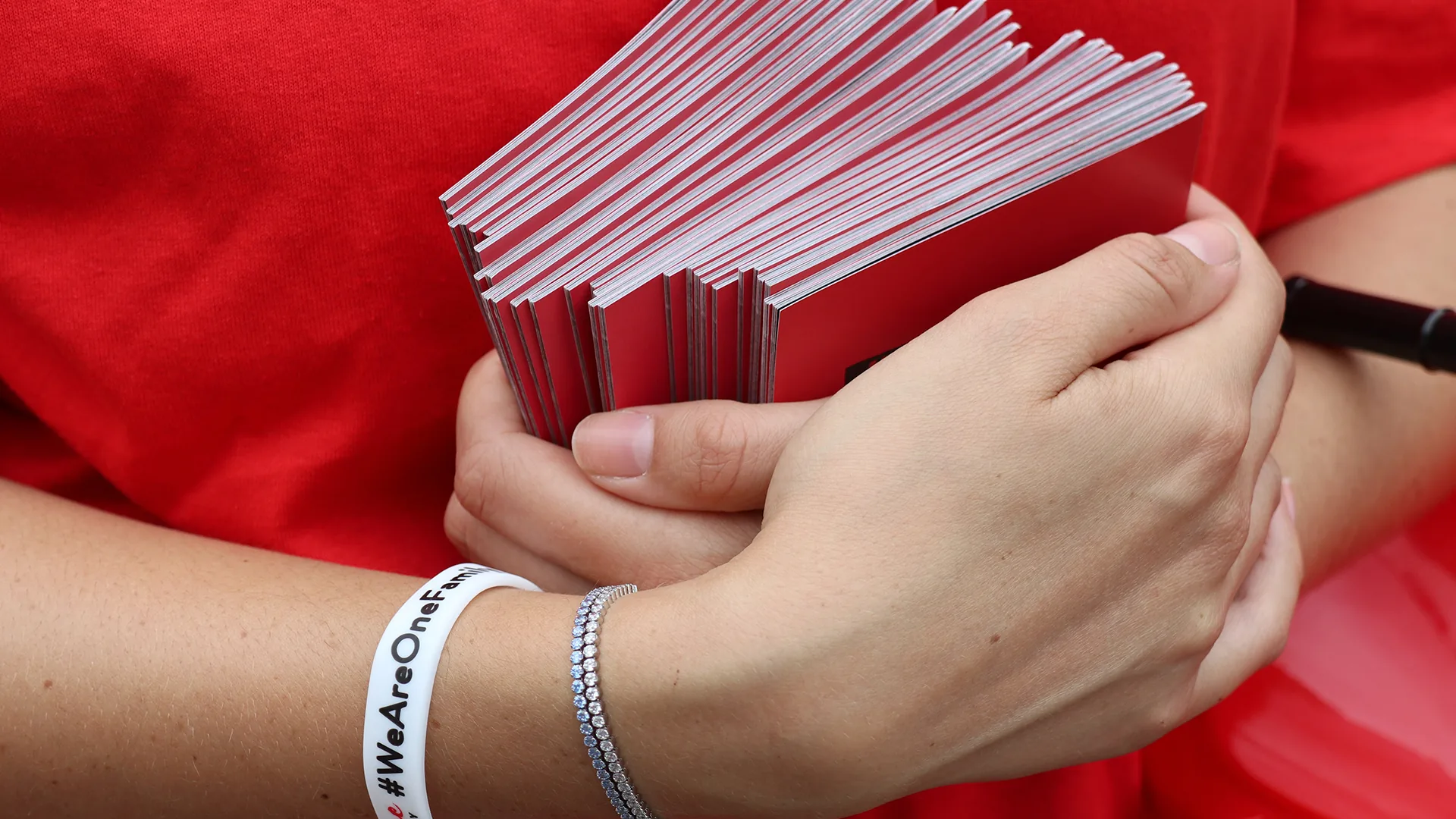
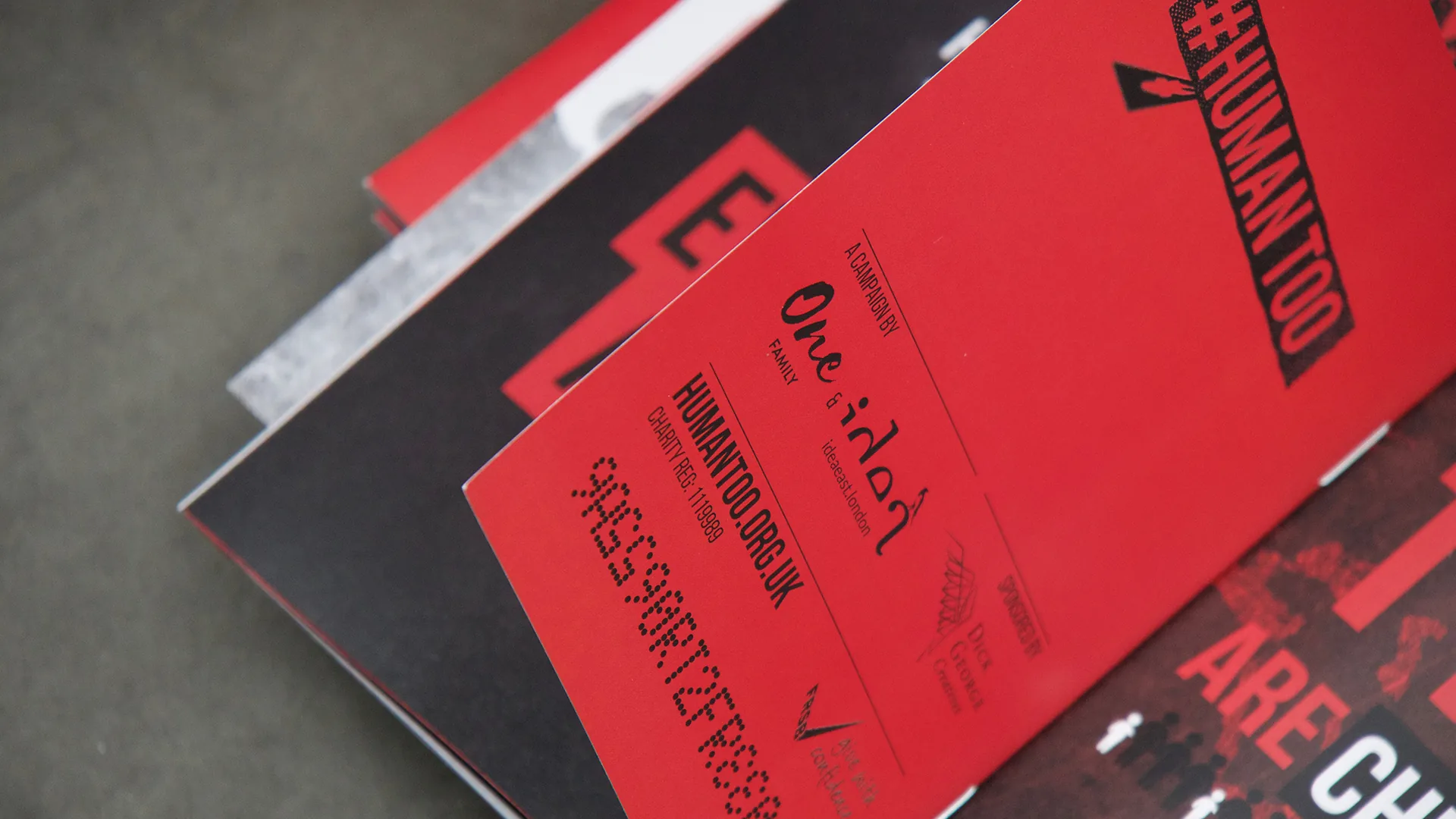
A passport represents the freedom to move. For someone being exploited, its confiscation can become another means of control. That tension shaped the campaign’s central printed piece: “Your passport to freedom”.
Inside, identity-style pages, obscured portraits and confiscation stamps introduced the people behind the scenarios. Their stories sat alongside facts about modern slavery, turning a familiar document into something people could take away and read.
The closing message made the next step memorable: “Spot it. Stop it. Support the fight.” Learn the warning signs, report concerns, make informed purchasing choices and support help for survivors.
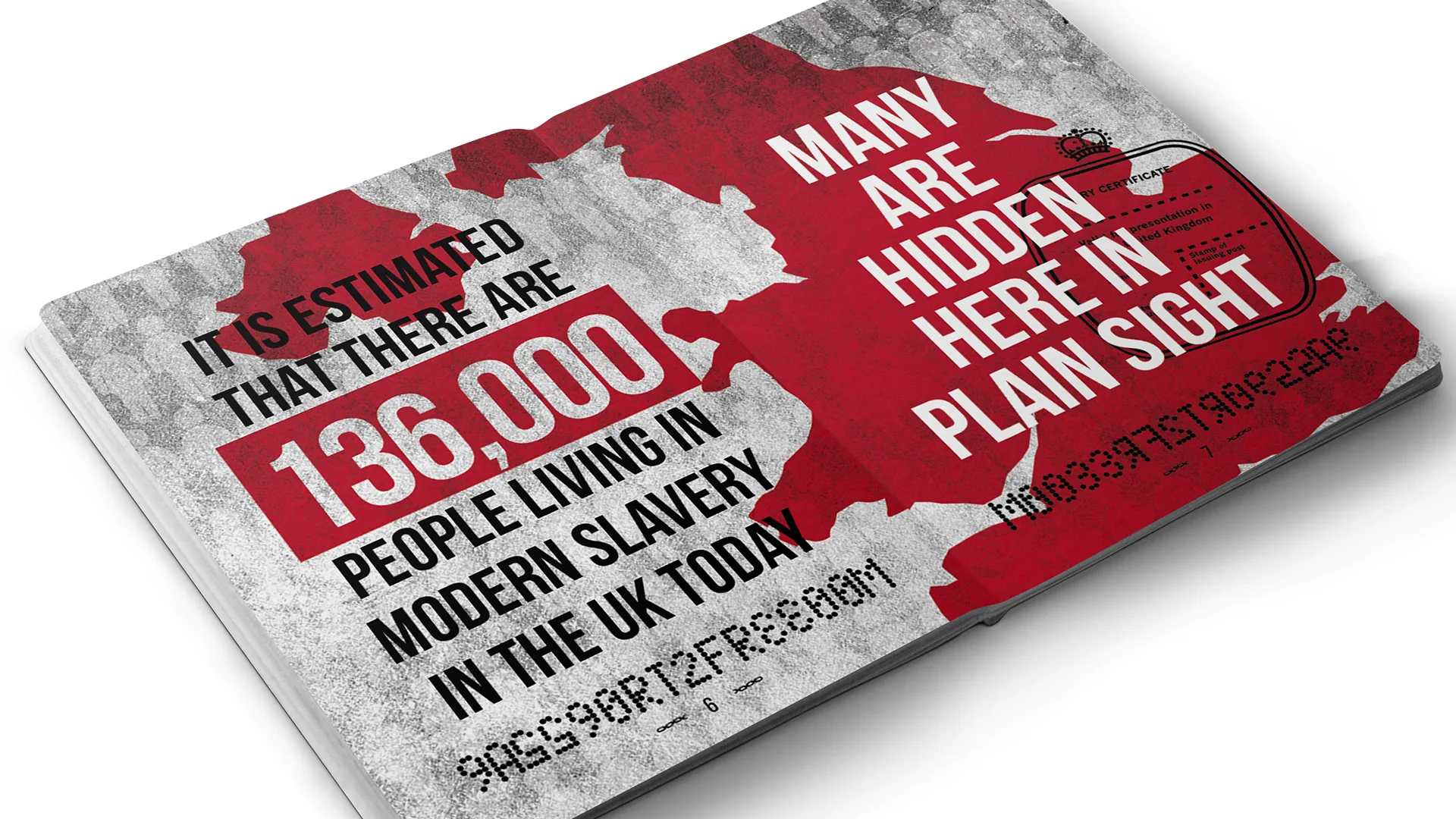
The street installations created the encounter; the supporting campaign gave people ways to continue engaging.
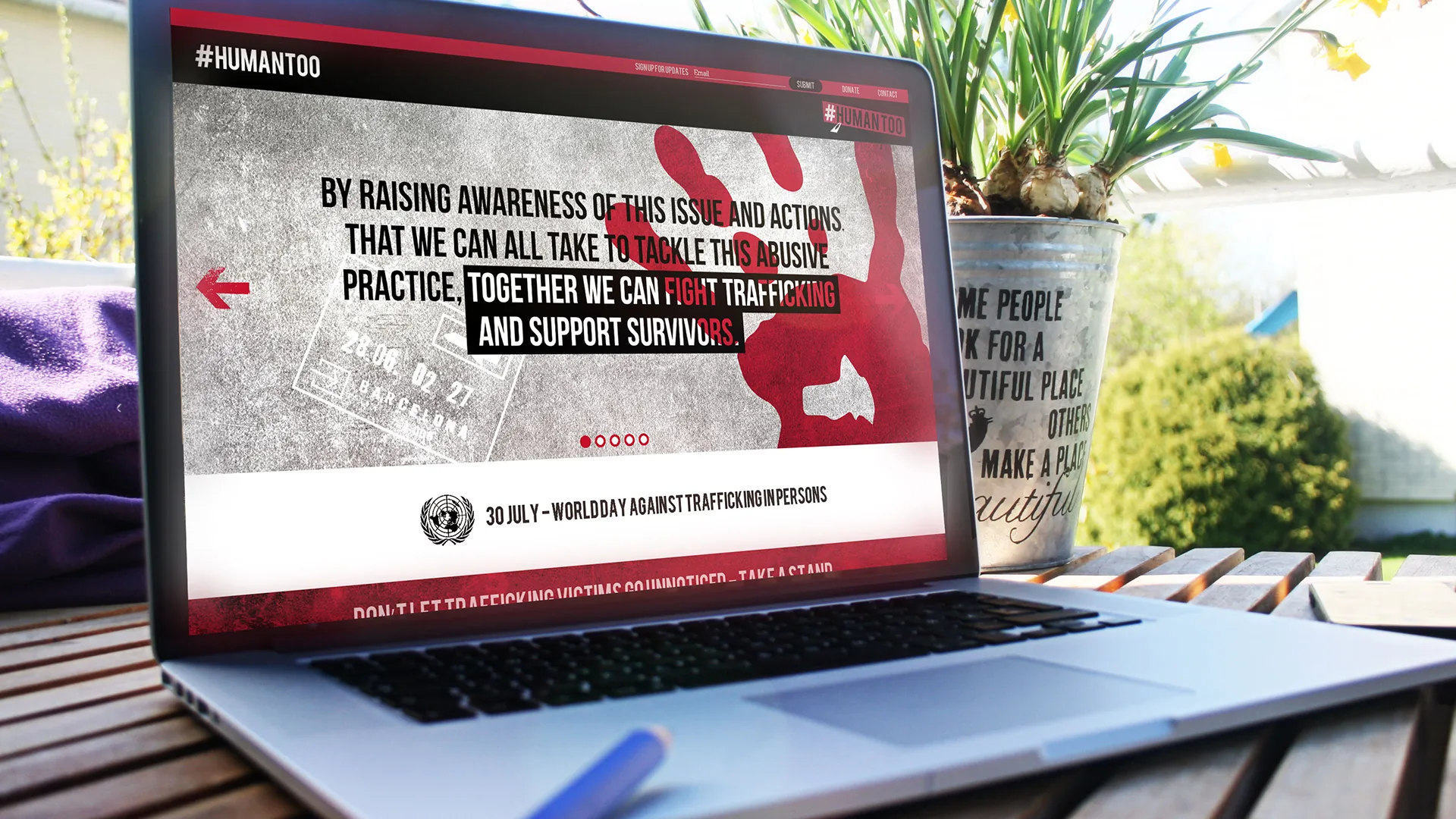
A campaign web page brought together the stories, warning signs and opportunities to help. Presentation and pitch films combined campaign footage, interviews and motion graphics, carrying the same visual language into another format.
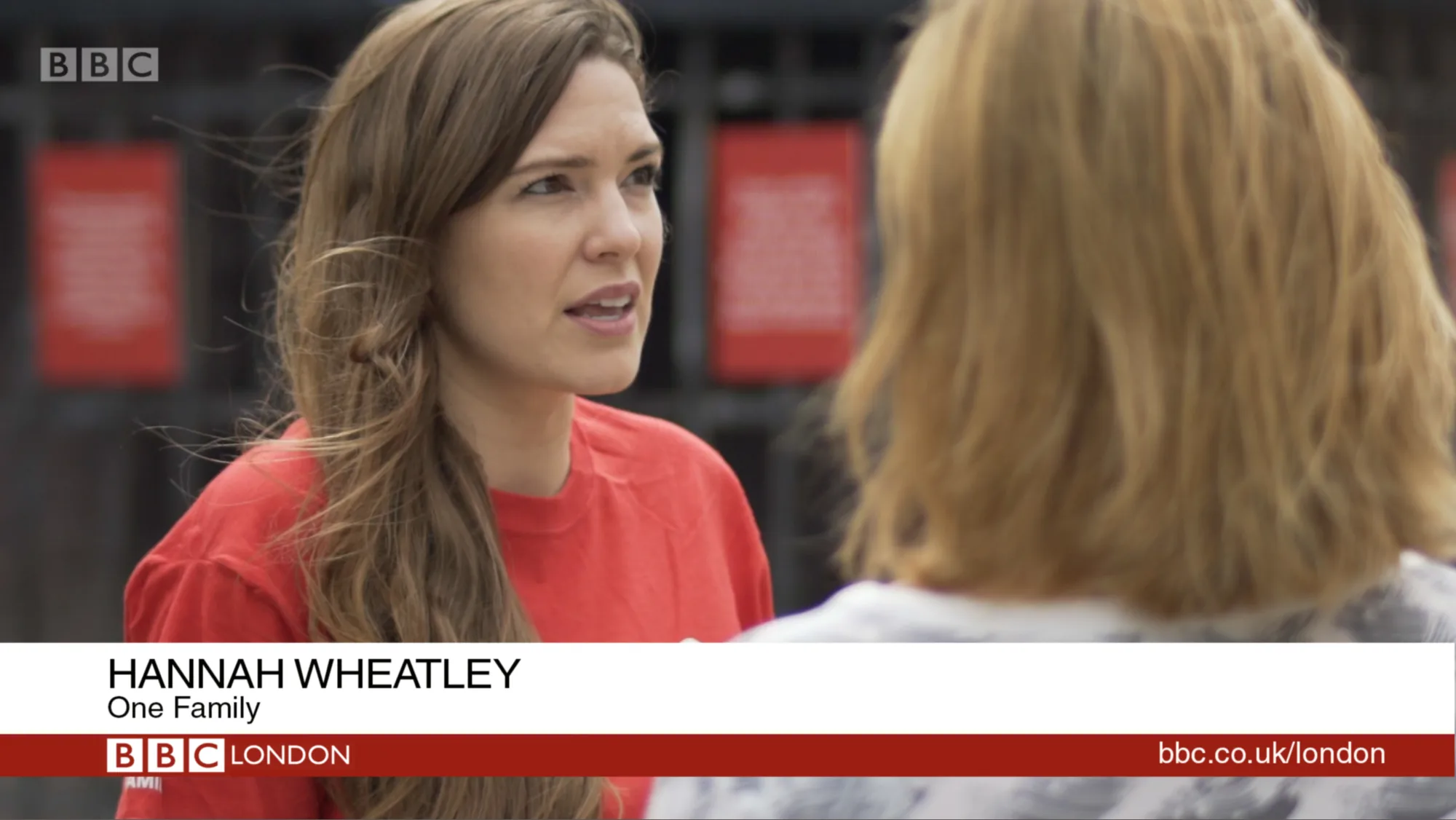
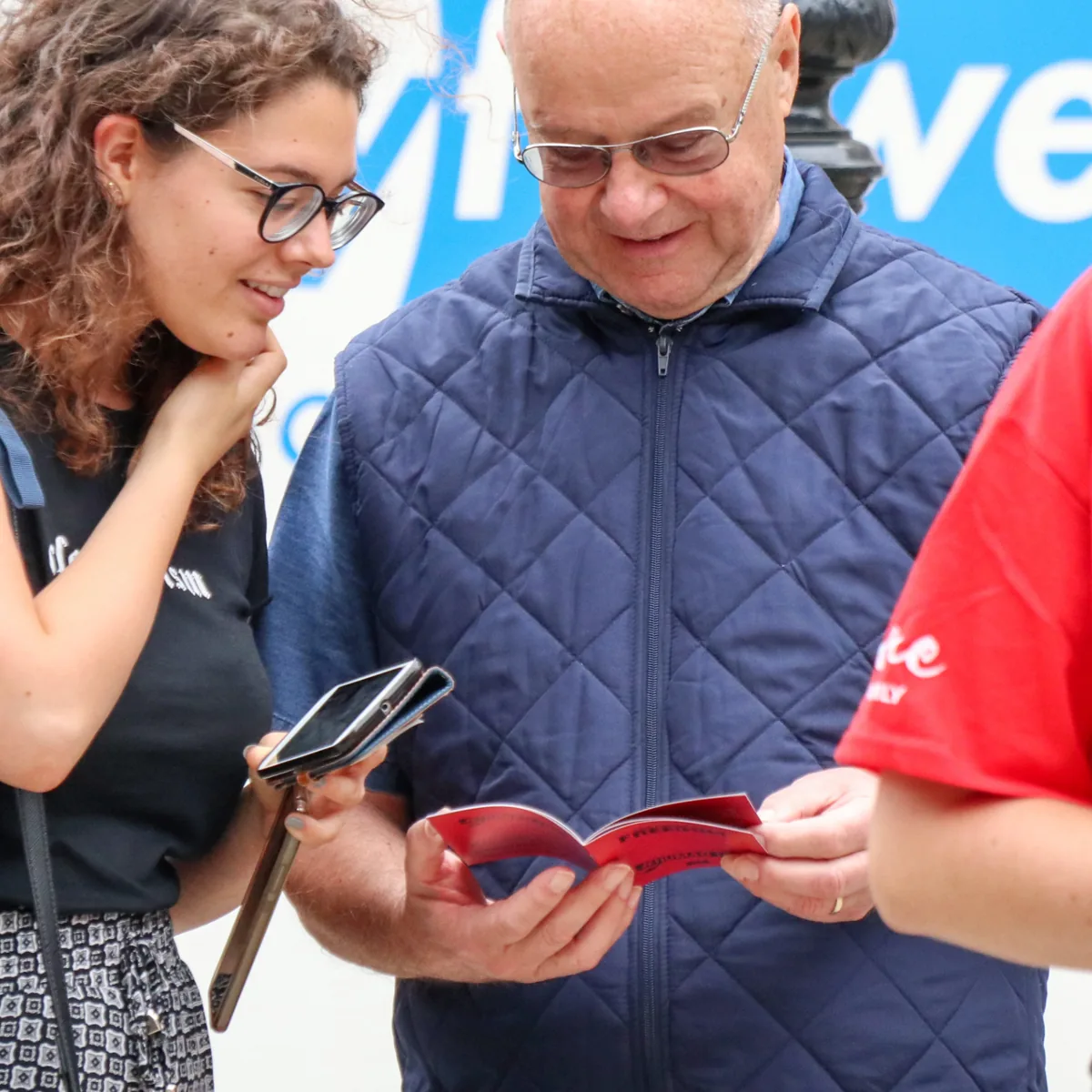
The campaign featured on BBC London, while photographs from the day show passers-by stopping, talking and reading their passports. From the first unexpected scene to the information taken home, every element supported the same ambition: to make exploitation more recognisable and give people a clear route from awareness to action.
Outfly, a London brand, marketing and product agency, created the campaign concept, the passport, the five scenario sets, the marquee, the web holding page and the campaign films.
It is a network-powered charity delivering aid, disaster relief and humanitarian support.
A 2018 campaign against human trafficking and modern slavery, asking people to spot the signs, report anything suspicious and support the fight, built around a passport of stories and five walk-in scenarios.
Turn the statistics into people and places. The One Family campaign told individual stories in a passport and rebuilt the places victims work, from a nail bar to a building site, so visitors could see what hides in plain sight.