Designers who shape cars, buildings, games and film sets work in three dimensions, yet they still review their ideas on flat monitors and printouts. Work passes in series between design, visualisation and client teams, so the expensive changes get caught late. Massless, founded in 2014, set out to fix the input side of that problem with the Massless Pen, a stylus that tracks to 0.05mm and lets professionals sketch and model inside and outside VR with HTC Vive and Oculus Rift.
When we met the team in May 2019, Massless had already raised a $2 million seed round, announced that February, and its brand guidelines were set. What it needed was to apply them, tell the story in a way professional buyers believed, and show investors real demand for a new kind of hardware. Its own guidelines described the mood it was launching into as “a time of extreme cynicism and doubt”.

We treated the first campaign as an experiment, not a launch. The brief for C1 was simple: sell pens to measure real demand, then take that data to investors. Over six weeks from August 2019 we ran ads on LinkedIn, YouTube, Facebook and Instagram to 3D animators, designers and engineers at animation and games studios, civil engineering firms and carmakers in the US, Canada, the UK, Germany and France. Each week tested one variable: the homepage against a dedicated buying page, “Apply now” against “Learn more”, a still banner against a 15 second video, original copy against amended copy. The winner ran as the master ad in week six.
The test answered questions a launch plan would have guessed at. Across the six weeks the ads earned 792,938 impressions and 12,658 clicks at an average of £0.45 a click, and brought in 21 applications for early access. Video beat the still banner clearly: in week four it lifted the click-through rate on Facebook from 0.88% to 3.14% and more than doubled it on Instagram. YouTube underperformed and was paused for the last two weeks. A follow-on campaign through the autumn then tested a $750 pre-order offer against a plain pre-order call to action.
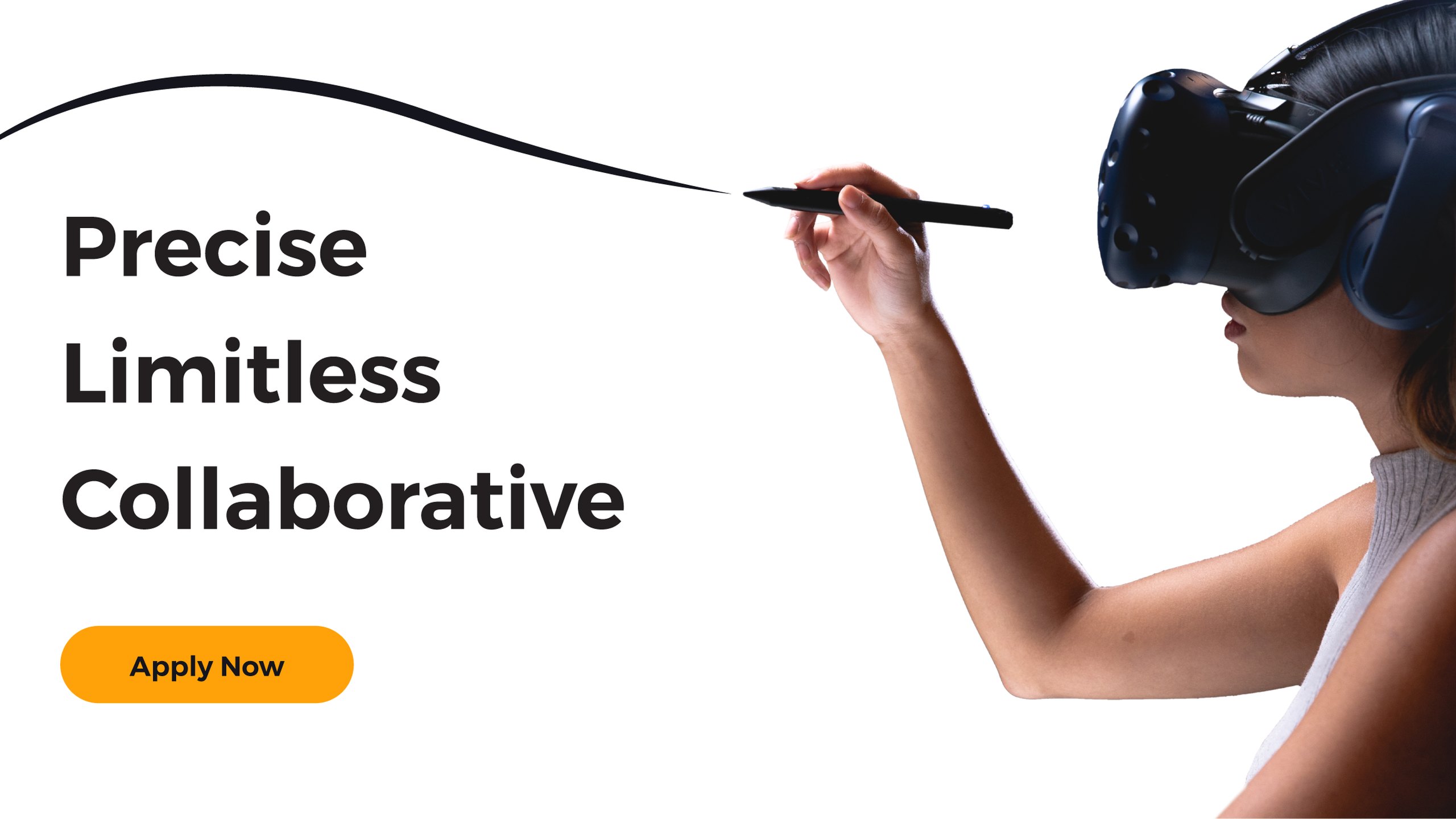
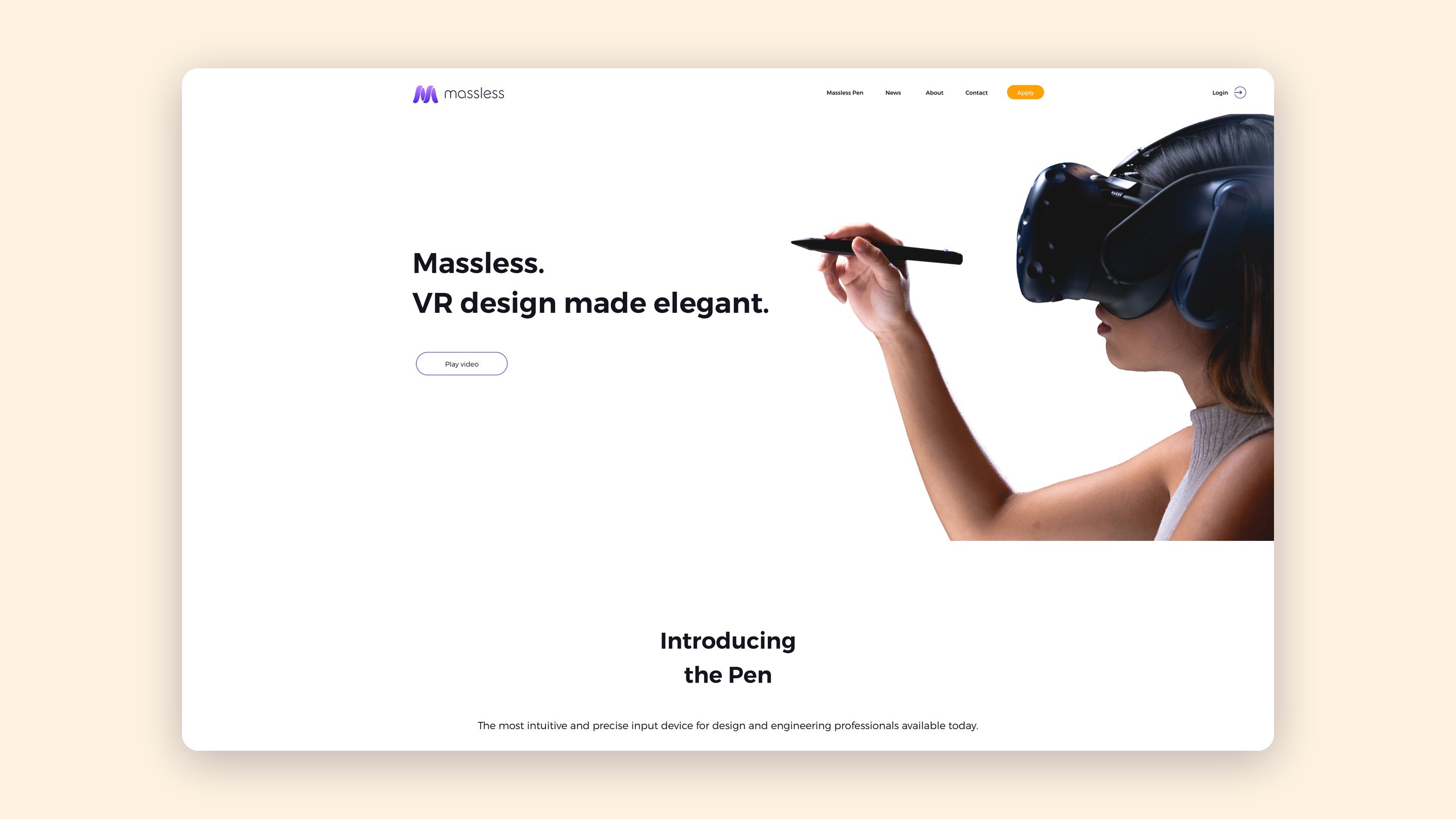
Behind the ads sat web pages built to convert. We designed pages around the pen, from a homepage leading with “Design and engineering the way it’s meant to be” to a version 2 site with pages for the pen, news and the company, and an apply journey that took professionals from an ad to a pre-order application. We linked the shop and the main site in Google Analytics so every test could be read end to end.
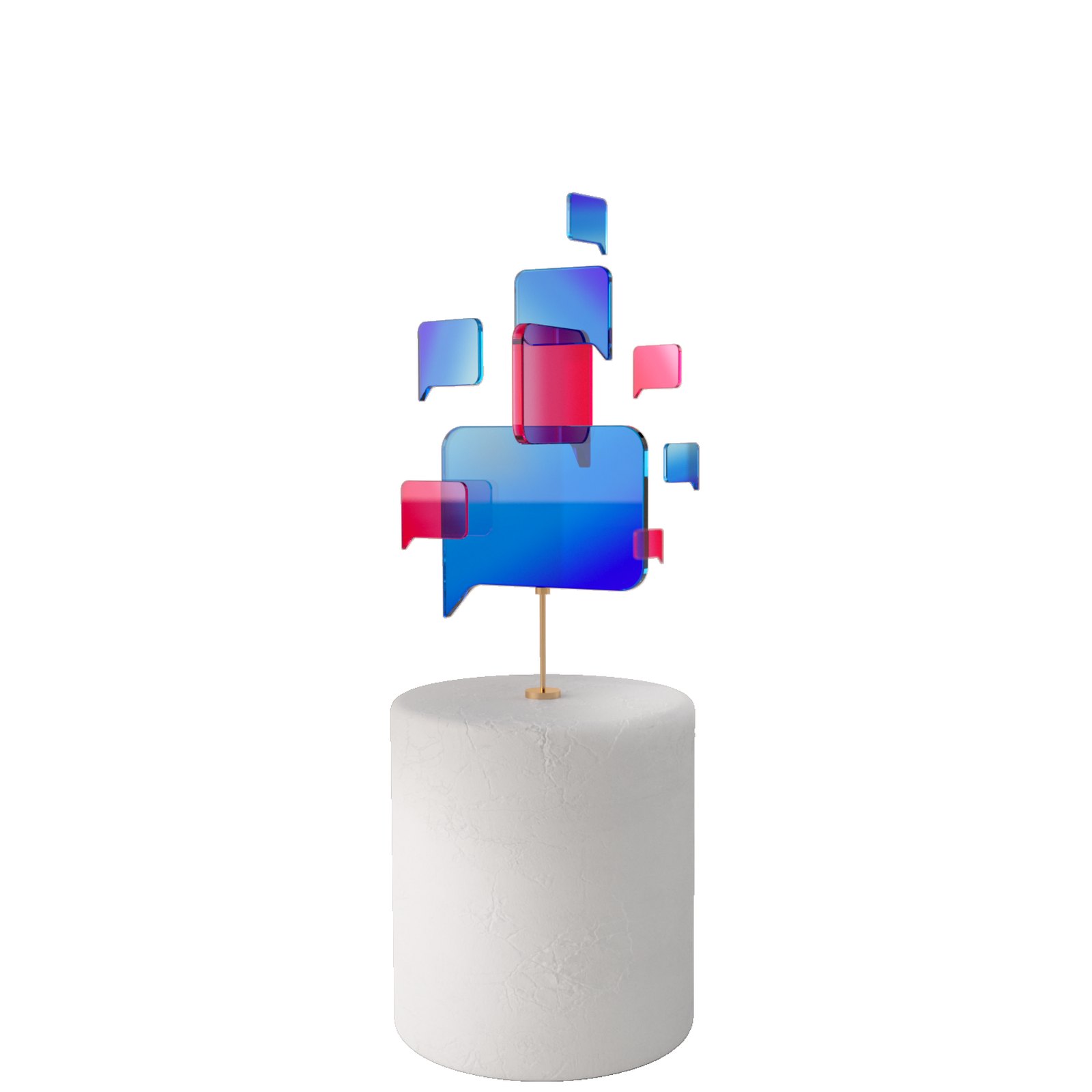
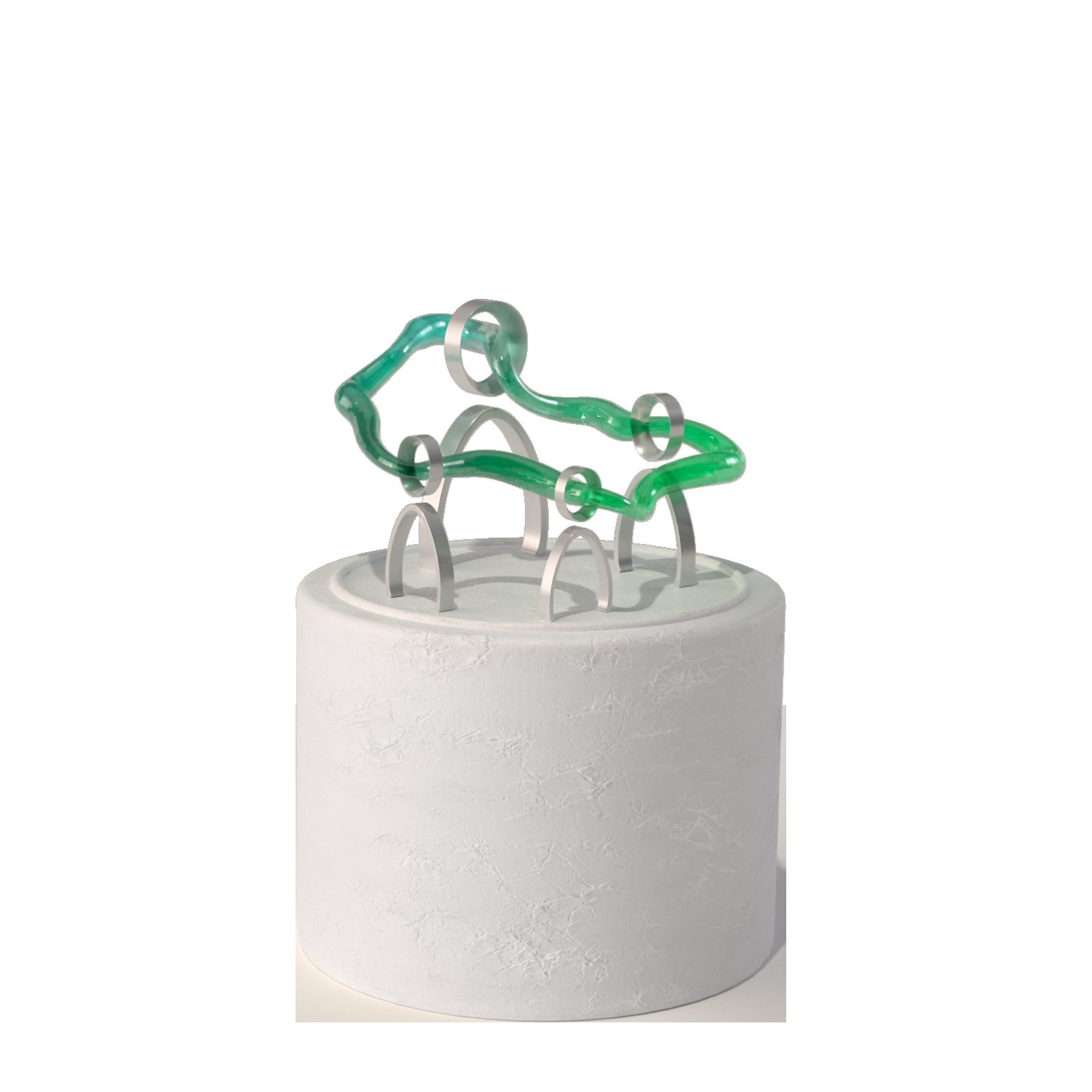
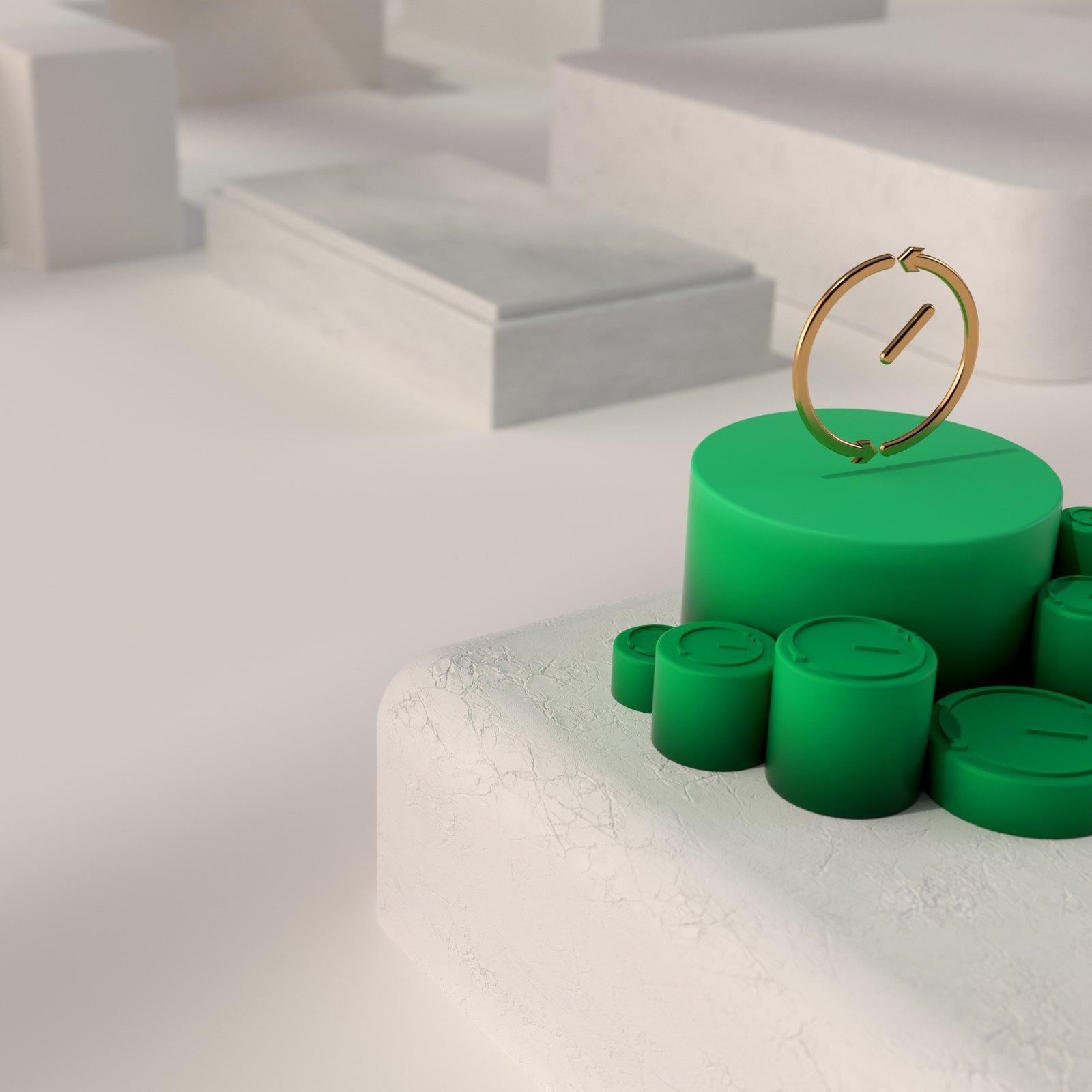
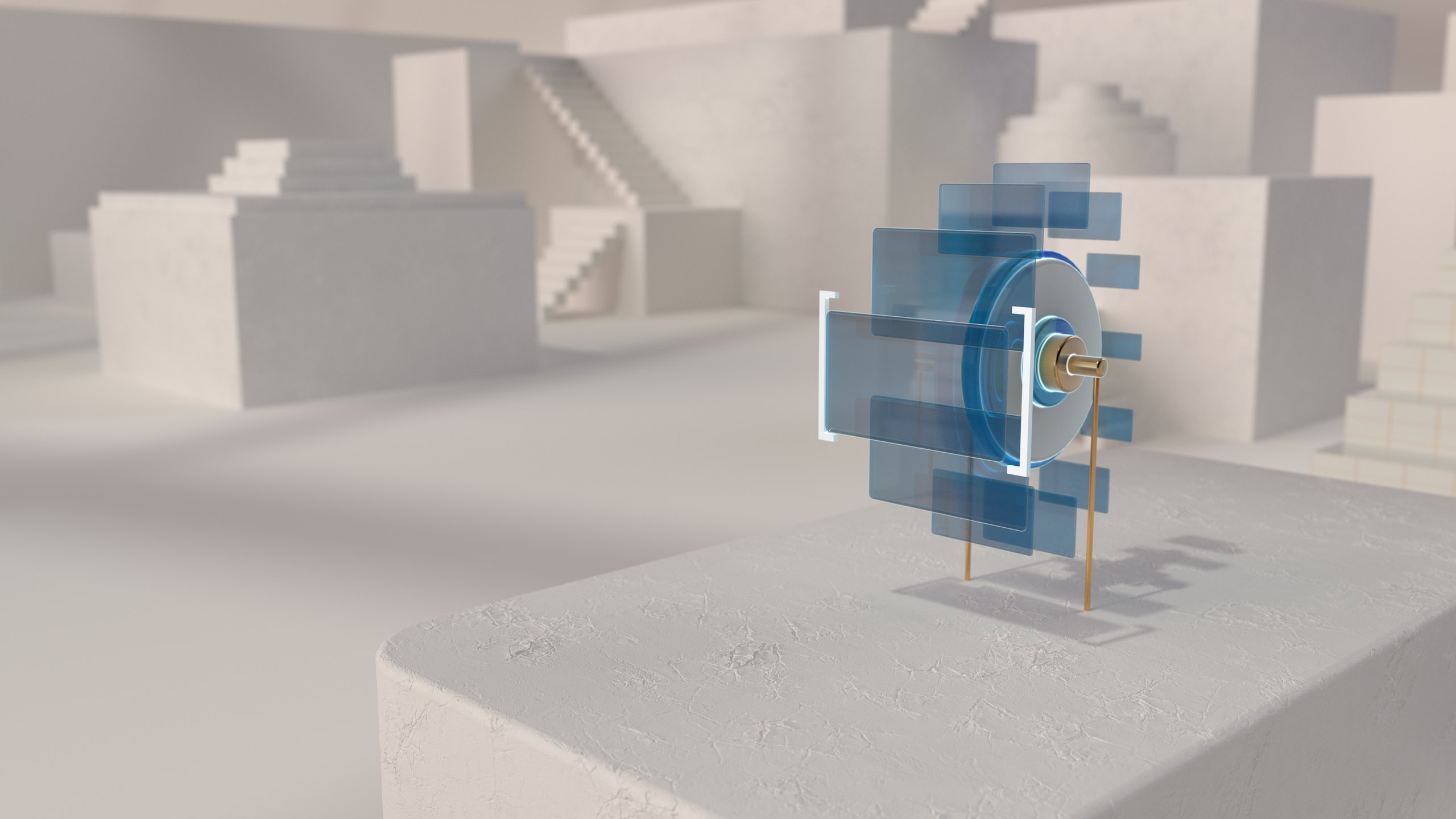
Next we planned a crowdfunding push aiming to raise $2 million on Indiegogo, in four phases from pre-pre-launch to post-launch, and built the kit for it: landing pages, social posts, short films and GIFs of the pen in use, a newsletter, and paid tests on audiences, videos, landing pages and copy run from January to May 2020. In mid-2020 Massless changed course. Crowdfunding was shelved and the company put its weight behind Massless Space, a cloud tool that lets a team work on the same 3D scene at the same time in Blender, Unity and Chrome. We gave Space a world of its own: a white architectural landscape where every feature is a sculpture, from glass speech bubbles for comments to a clock for real-time sync and plinths carrying the marks of the tools it connects.

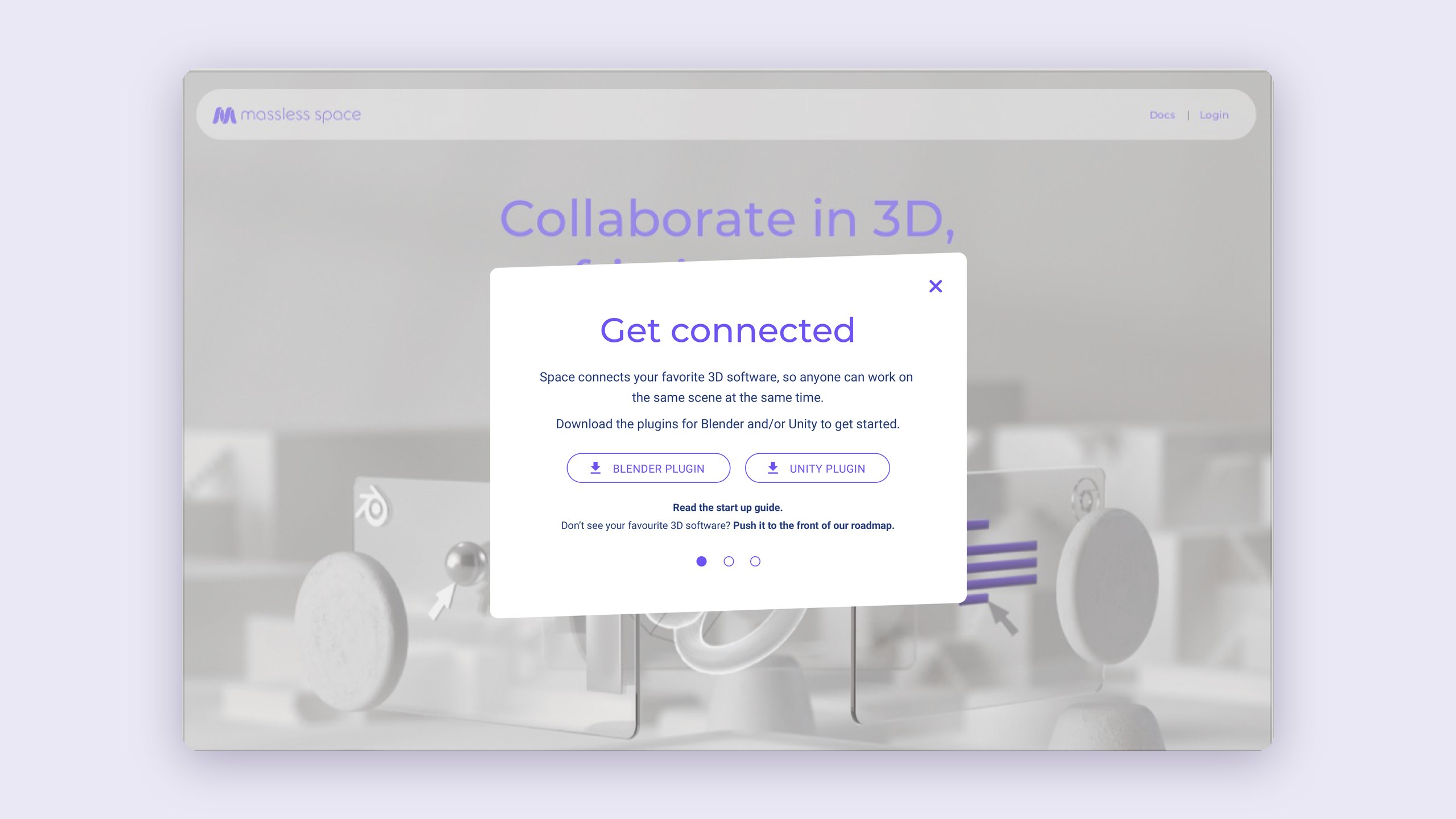
A product like Space only works if people get from curiosity to a shared scene quickly, so we designed the path as carefully as the pictures. The landing page opens on “Collaborate in 3D, friction free.” and names the real frustration of 3D teams: meetings that should take minutes take hours, while assets limp through a maze of pipelines, files, emails and channels. The onboarding flow then does one thing per screen: download the Blender or Unity plugin, connect it, invite your team and create your first Space, signing off with “Nice work, Masstronaut.”
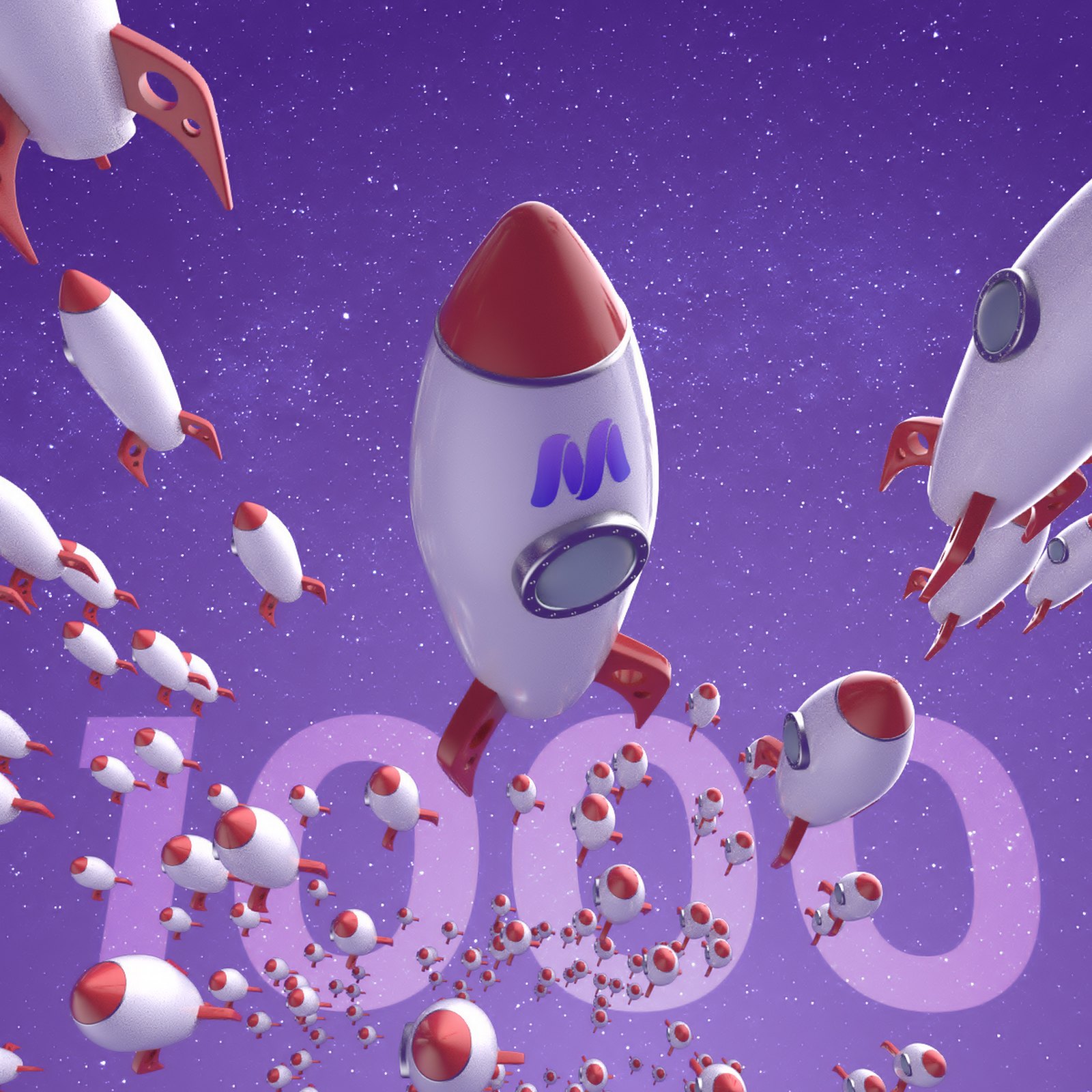
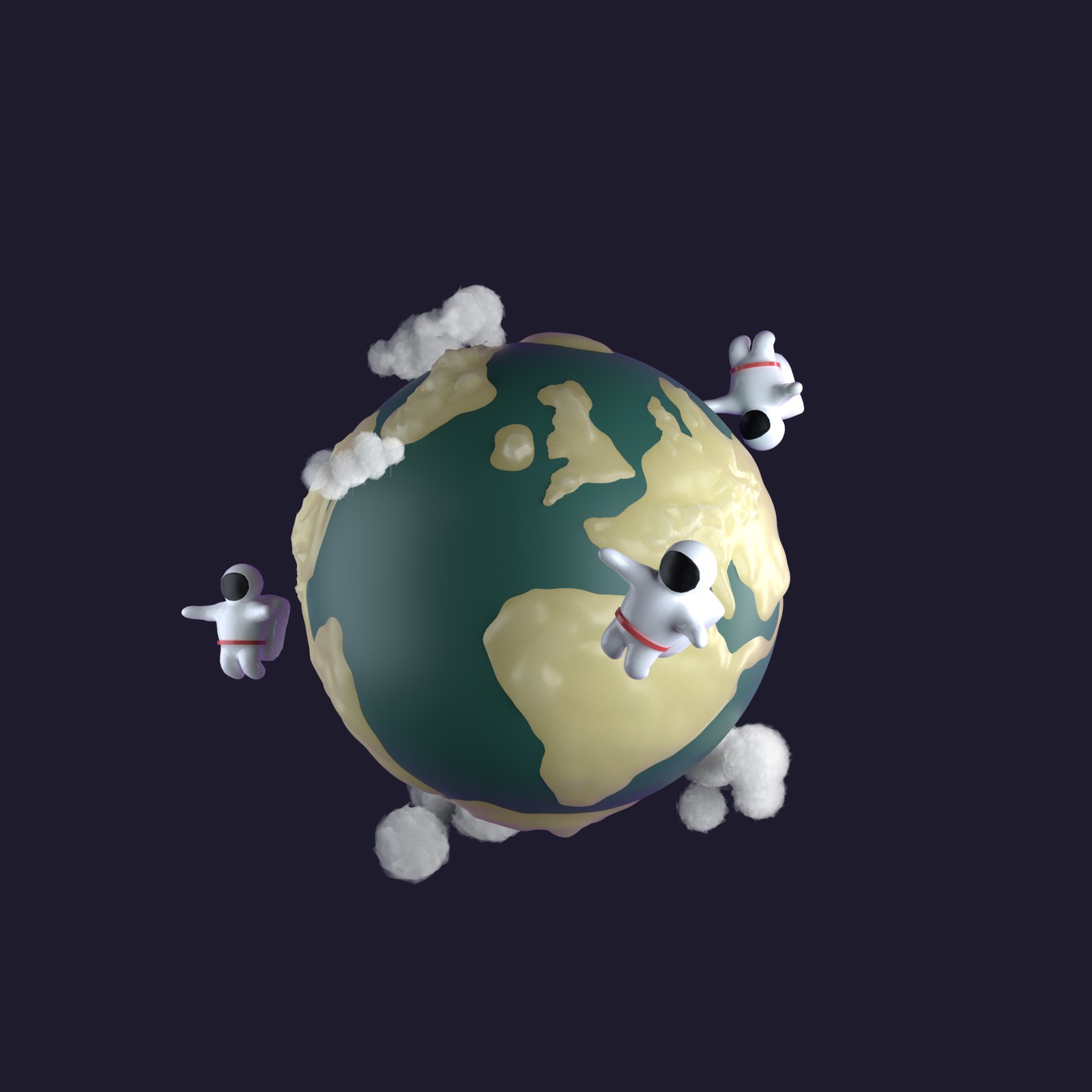
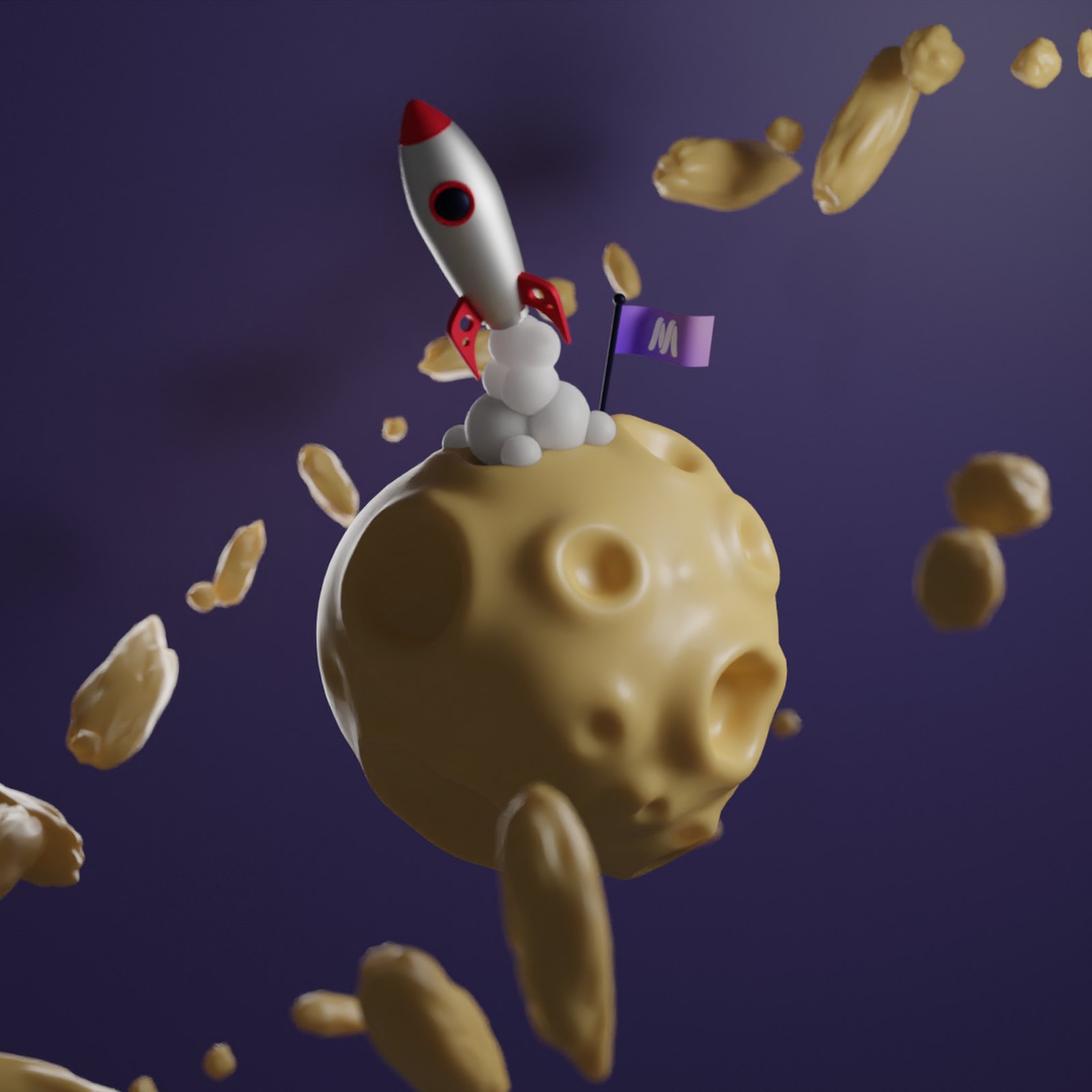
Around the launch we ran Massless’ social channels with playful 3D content, from Masstronauts circling a cartoon Earth to a swarm of rockets marking a follower milestone, backed by paid follower campaigns that delivered page likes for around 12p to 18p each. Facebook grew from 490 page likes in July 2020 to 2,631 by mid-December. Alongside Massless’ own team we also worked on a reskin of the Space interface and assets for its Product Hunt launch.
Space found its first users quickly. In one October week alone it logged 63 logins, 20 plugin downloads and 17 new spaces, and by mid-December 2020 the closed beta had reached its limit, so new sign-ups joined a waitlist. Massless then began planning its next chapter around a Graphics API, which breaks the fundamental operations of 3D graphics down and exposes them as a REST API, and we produced renders to help introduce it.
Across two products and two very different launches, the method stayed the same: test what people actually do, then build the story and the experience around what you learn.
Outfly, a London brand, marketing and product agency, worked with Massless across 2019 and 2020. We designed web pages and an apply-to-pre-order journey for the Massless Pen, ran its paid demand tests, built its crowdfunding pre-launch kit, and designed the 3D landing page, onboarding and launch content for Massless Space.
A precise stylus for VR and 3D work, accurate to 0.05mm and compatible with HTC Vive and Oculus Rift, that lets designers and engineers sketch and model inside and outside VR.
For the Massless Pen we ran a six-week paid test on LinkedIn, YouTube, Facebook and Instagram, changing one variable a week, such as landing page, call to action or ad format, then running the winner as a master ad. It earned 792,938 impressions and 12,658 clicks at £0.45 a click and brought in 21 early-access applications, data Massless could take to investors.
A cloud tool from Massless that connects 3D software such as Blender and Unity, and works in Chrome, so a whole team can work on the same scene at the same time without passing files around.