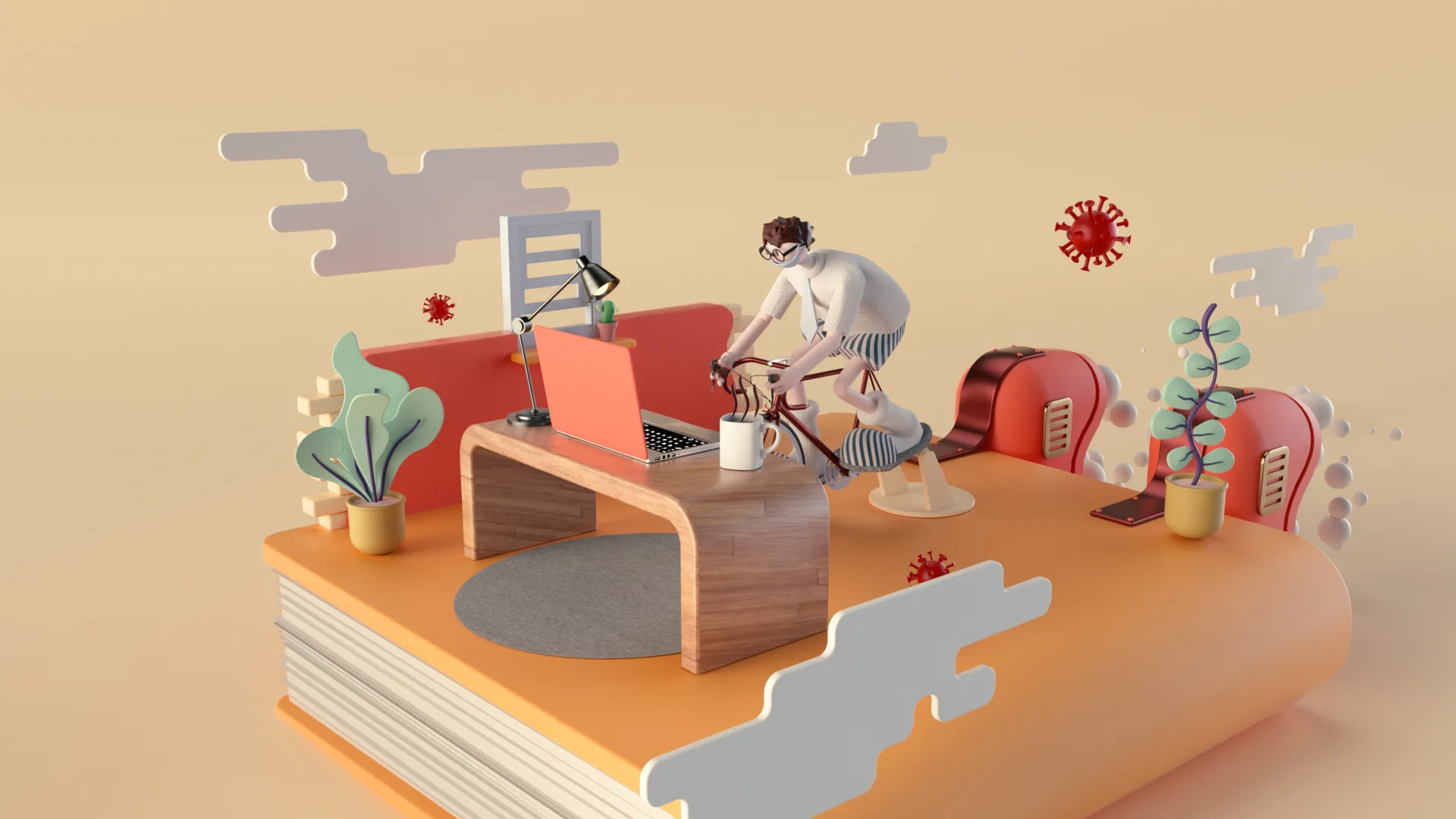
I’m writing this in my bed. Given the current environment, it’s likely you’re reading it the same way. The ability to work remotely used to be seen as a way to increase productivity, improve morale and boost retention. Now it’s a means of survival, and sadly, one that’s hard to universalise.
When Boris Johnson echoed the actions of other world leaders and put the UK into lockdown, he all but confirmed the death of thousands of businesses. But people are doing what people have always done best: adapt. Founders too: many of those in our immediate network and beyond are seeing covid’s unprecedented challenges as an opportunity — a chance to reinvent and survive, awful odds be damned. So, how can you follow suit and innovate your way out of this? The first step is the same as any other innovation exercise: look around and see how your landscape is changing.
In consumer land, matters aren’t as catastrophic as they first appear. Brick and mortar stores are reeling, but that’s mostly because people have changed the way they spend, rather than how much. Online, ecommerce is booming, with global sales expected to reach $4.2 trillion by the end of the year.
And ecommerce is just a fragment of the digital boom. Platforms like Zoom and Houseparty answered our need to connect while stuck indoors. Disney+ launched its UK service the day after the Prime Minister’s order to stay at home, and delivered one of the most successful digital launches of all time. It’s not as simple as digital = profitable however. The shift to online is also the big story in the b2b market, with companies finding it’s easier to organise meetings, cheaper than travelling, and more effective for collaboration.
SMEs have an advantage over their more established counterparts: They’re agile. Where large companies are falling over trying to change in line with the times, small businesses are more able to adjust their processes on the fly. Unlike incumbents, startups are less likely to be committed to legacy services, products, processes and partnerships that no longer work.
And, even though investors are getting more selective, plenty of money is available right now for new founders. In a crisis, it makes more sense for VCs to target a cheaper, longer-term investment that will mature once the market returns to normal. Money will likely be distributed in a similar fashion as during the Great Recession, where the volume and value of seed funds remained the same or grew. The smaller you are in a crisis, the more likely you are to secure funding.
When written in Chinese, the word crisis is composed of two characters. One represents danger and the other represents opportunity. John F Kennedy… Kinda.
This isn’t actually true, but who lets facts get in the way of a good quote? The sentiment it embodies represents the spirit of the entrepreneur; a resilient individual who is skilled in the art of uncovering hidden opportunity. The ability to innovate during a crisis has been a driving force of our economy for quite some time. The SARS pandemic helped catalyse Ali Baba. The financial crisis of 2008 produced Airbnb and Uber. 2020’s disruption will take a lot of people with it, but it will also birth a wave of innovation and act as a catalyst for new industries.
One area that’s already growing is cybersecurity. Once a ‘nice to have,’ it’s now recognised by most as an essential part of business. One company we’re working with, CyberSmart, is already seeing unbelievable growth in this area.
Companies from all industries are coming together to help. Dyson created a portable ventilator to support the NHS. Brompton Bicycles provided 200 bicycles to hire, free of charge, to NHS key workers. EE provided unlimited data to NHS workers. Small businesses are also stepping up to fill the charity donation gap caused by lockdown. It’s not just altruism — being seen to help is essential in times of crisis. For small businesses, challenger brands and charities alike, it could be the difference between life and death.
With vaccines on the horizon our lives may soon go back to normal. But the upheaval that has taken place in 2020 can never be put back in the bottle; on a fundamental level, the human world has changed. From what we’ve seen our partners achieve, we know for sure that the hope and spirit of innovation remains alive and well.